Utility locating companies get more jobs by being easy to find and quick to reach when a contractor needs a private locate that same day. Rank in local search for private utility locating, build referral relationships with excavation and drilling crews, and answer the phone fast. Most locate work is urgent, so the company that shows up first and responds fastest wins it.
Private utility locating is steady, repeat work, but only if the people who need it can find you. This guide shows how utility locating companies get more jobs: who hires them, where the work comes from, and how to be the first name a contractor calls when the machine is idling on site.
Who hires a private utility locator?
Anyone who needs to know what is underground before they dig, on private property that public 811 does not cover. That is a wider group than most locators realize:
Why is private utility locating in demand?
Because hitting a buried line is expensive and dangerous, and the free public service does not cover everything. The Common Ground Alliance estimates buried utility damage costs the US around $30 billion a year in repairs and wider impact.
Public 811 marks utility-owned lines in the street, but it stops at the property line. Private lines, water, power, gas, and data running across a site, are the property owner's responsibility, and that gap is exactly what private locators fill.
As more infrastructure gets buried every year, and penalties for strikes keep rising, demand for accurate private locating keeps growing right alongside it.
How do utility locating companies get found online?
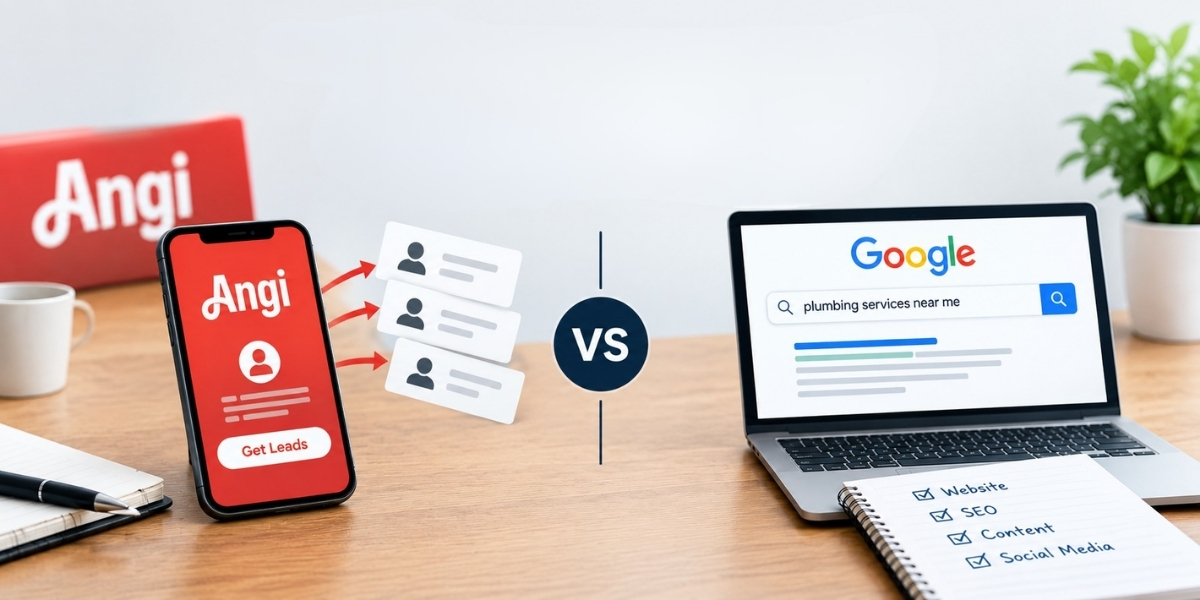
Most locate jobs start with a fast search: private utility locator plus a city name. The companies that rank for that get the call, and the rest never even hear about the job.
That makes local search the core of getting more work. Strong trenchless SEO for your service and area puts you in front of contractors at the exact moment they need a locate, and it keeps working every day.
Back it up with the local basics. Our local SEO checklist for contractors walks through the groundwork that helps a locating company show up across its service area.
Why does your Google Business Profile matter so much?
For urgent, local, phone-driven work like locating, your Google Business Profile is often the very first thing a searcher sees. A complete profile with the right category, service areas, and reviews can win the job before they ever open your website at all.
Set it up properly and keep it active. The step-by-step in our guide to Google Business Profile for contractors applies directly to locating companies.
How do you build referral work from contractors?
Referrals are the backbone of a locating business. Excavation crews, drillers, and general contractors need a locator on almost every job, and they reuse the one they already trust.
Introduce yourself to the contractors working in your area, make it easy to book you, and turn up fast and accurate every single time. One reliable locate can earn you the next twenty jobs from that crew.
The drilling and excavation contractors who need you are searching too. Being visible where they look, covered in our guide on how to get more trenchless leads, puts you in front of the crews most likely to hire a locator.
Why is fast response the difference maker?
Locate work is urgent. A crew standing on site with a machine idling will call the next locator on the list if you do not answer.
Answer the phone, reply to requests quickly, and give a clear time when you can be there. Speed wins more locate jobs than anything else, because the crew cannot start digging until you arrive and mark the site.
Should you run ads for locate jobs?
Often yes, because the intent is high and the searches are urgent. Someone typing private utility locator near me needs one right now, and a paid spot at the top of the page captures that moment.
Results from Google Ads for contractors can bring locate calls within days, while your search rankings build in the background. Many locators run both, so they never miss an urgent job.
How do you show buyers you are accurate and safe?
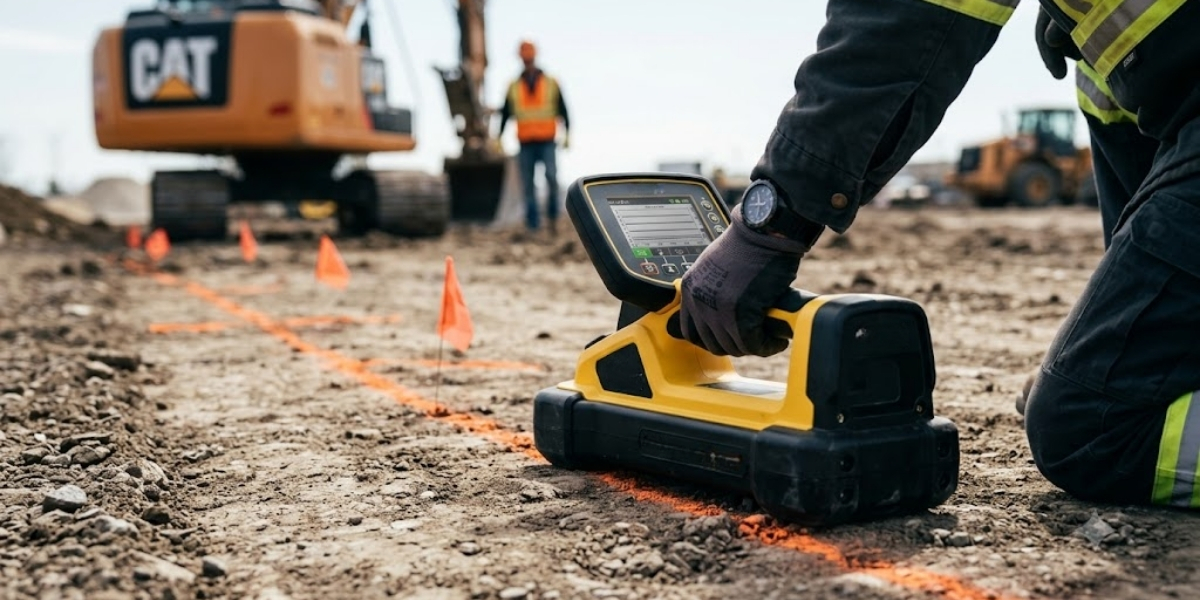
Accuracy is everything in locating, and buyers want proof before they trust you to work under their site. Show your equipment, your certifications, and your years of experience clearly.
Put that proof where buyers check. A clear contractor website design that lists your methods and coverage builds confidence, and the format in our case studies shows the kind of detail that reassures a cautious contractor.
How do you win more commercial and public locate work?
Bigger, steadier locate contracts come from commercial sites, utilities, and public agencies. These buyers plan ahead and reuse trusted vendors, so the work is far more predictable than one-off emergency calls.
Get on their approved vendor and prequalification lists, keep your insurance and certifications current, and be the locator who is easy to schedule for a whole project rather than for just one visit. A single ongoing relationship with an engineering firm or a busy general contractor can fill weeks of your calendar.
How often should locate jobs turn into repeat clients?
More often than most locators expect. The same crews dig all year long, so a good first job should almost always lead to a second one.
Follow up after a job, keep their details on file, and make rebooking you effortless. Turning one-time callers into standing clients is the cheapest growth a locating company will ever find.
What mistakes cost locating companies jobs?
A few gaps quietly lose steady work. Watch for these:
- Not showing up in local search for private utility locating.
- A missing or half-finished Google Business Profile.
- Slow phone response when the work is urgent.
- No clear service area, so buyers are unsure whether you cover them.
- No proof of your accuracy, equipment, or certifications.
Fix these and you capture the jobs you are currently missing.
Frequently asked questions
How do utility locating companies find customers?
Mostly through local search and contractor referrals. Ranking for private utility locating in your area and building trust with local excavation crews brings the steadiest, most reliable work.
What is the difference between 811 and a private locator?
811 marks public, utility-owned lines for free but stops at the property line. Private lines running across a site are the owner's responsibility, which is exactly what private locators handle.
Do locating companies need Google Ads?
They help a lot, since locate searches are urgent by nature. Ads capture same-day jobs while your search rankings build up over time.
How do you get repeat locate work from contractors?
Be fast, accurate, and easy to book every time. Crews reuse the locator they trust, so one good job usually leads to many more from the same team.
Everything here is what our utility locating marketing is built to do. If you would rather have a team bring in the jobs while you stay in the field, our specialists work only with trenchless and utility contractors.
Want this handled for you?
We do this for trenchless contractors every day. Book a free strategy call and we will map a plan for your market.