A winning construction bid proposal is clear, complete, and easy to trust. Spell out exactly what you will do, price it in detail, show proof of similar work, and make the next step simple. Price matters, but the contractor who removes the buyer's doubt usually wins, even when they are not the cheapest. Bid only on work that fits, and every proposal gets stronger.
Most bids are lost on the page, not on price. A confusing scope, a vague number, or a proposal that looks rushed sends the buyer to a competitor who made them feel safe. This guide shows how to write a bid proposal that wins the work you actually want, and how to stop wasting time on the work you do not.
What is a construction bid proposal?
A bid proposal is the document you send to win a project. It tells the buyer what you will build, how much it costs, how long it will take, and why you are the right choice for it.
It is different from a quick quote. A quote is just a number, while a proposal makes the case around that number, so the buyer can compare you on more than price alone. For anything sizable, buyers expect the full proposal.
Why do most construction bids get rejected?
Usually because the buyer could not trust the bid, not because it cost too much. The average commercial contractor wins about 25% of the bids they submit, roughly one in four, and the losers are often the ones that left the buyer guessing.
A missing scope item, an unclear price, or no proof of similar work all create doubt. When a buyer is spending real money on their project, doubt loses the job, even at a lower price. Your job in the proposal is to remove that doubt.
What should a construction bid proposal include?
Seven parts cover almost every winning proposal:
How do you write a scope that protects you?
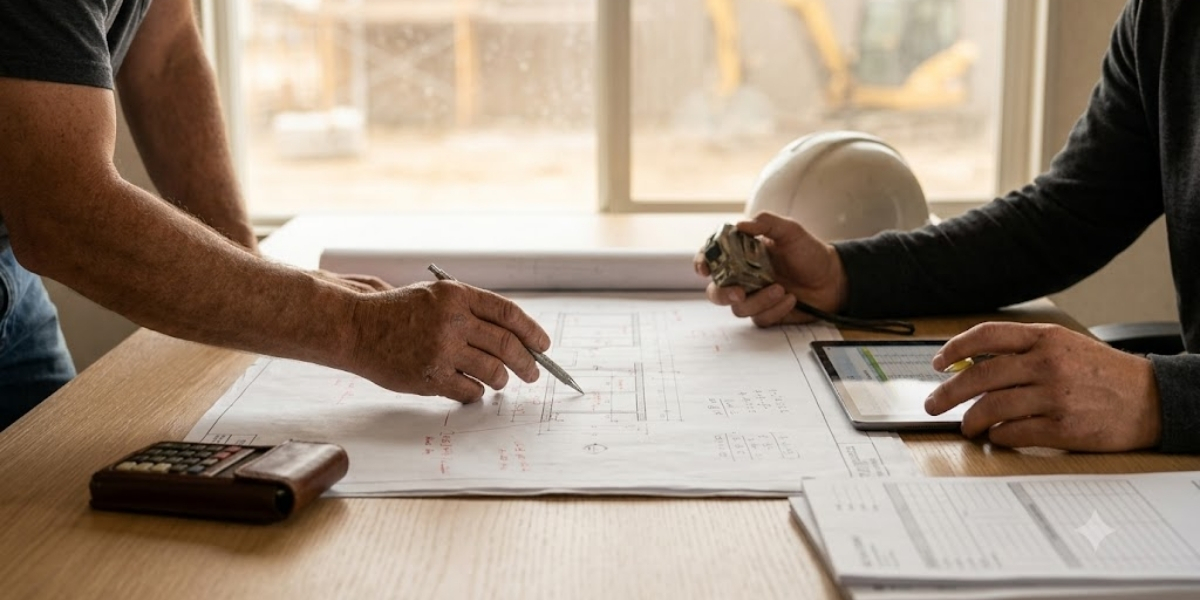
Write the scope so a stranger could read it and know exactly what you are responsible for. List what is included, and just as important, list what is not.
Clear exclusions are not negative or defensive. They prevent the arguments and change-order fights that ruin jobs and reputations later. Spelling out the boundaries actually shows the buyer you have done this many times before.
How should you present your price?
Break the price into parts. An itemized breakdown of labor, materials, equipment, and the major phases lets the buyer see exactly what they are paying for and compare like for like.
A single lump sum invites suspicion and gets cut on price first. An itemized bid invites a conversation about value instead, which is exactly the conversation you want to be having.
If you are not the cheapest, show why: better materials, a tighter schedule, or a crew that will not leave them stranded halfway through. Give the buyer a clear reason to pay a little more.
How do you prove you can do the job?
Buyers are managing risk, so proof often does more than price. Include two or three similar projects with photos, a short note on the result, and references they can actually call.
Point them to more if they want it. The format used in our case studies is exactly what a nervous buyer checks, and a strong contractor website design backs up your proposal when they look you up.
Should you bid on every job?
No, and this is where most contractors quietly lose money. Chasing every bid spreads your estimating time thin and drags down your overall win rate.
Use a simple bid or no-bid filter: does the job fit your skills, is the schedule workable, do you have a relationship there, and can you win it at a fair margin. Industry data shows this discipline alone can lift win rates by five to ten percentage points.
Public and infrastructure work rewards this focus most. Our guides on how HDD contractors win municipal projects and how pipe jacking companies win infrastructure bids show how the strongest specialists pick their spots.
How do you make your proposal look professional?
Presentation signals how you will run the whole job. A clean, branded, error-free proposal tells the buyer you are organized, while a rushed one tells them the opposite.
Use a consistent template, your logo, clear headings, and correct math throughout. Send it as a tidy PDF, on time, every time. None of this is expensive, and all of it quietly builds trust.
How do you follow up after submitting a bid?
Follow up, because most contractors simply do not. A short, polite message a few days after you submit keeps you top of mind and shows the buyer you actually want the work.
Offer to walk through the proposal or answer any questions they still have. If you lose, ask why, and write down the reason. Those answers are the fastest, cheapest way to win the next one.
How do you match a bid to each buyer?
A copied, generic proposal reads like a form letter, and buyers can always tell. The winning version speaks directly to their specific project and situation.
Name the site, mention the specific challenges you noticed, and reference their timeline or constraints. A few personalized lines at the top prove you actually read the request and understood the job. You can keep a strong template and still customize the parts that matter for each buyer.
What mistakes cost contractors bids?
A few habits lose winnable work. Watch for these:
- A vague scope that leaves the buyer guessing.
- One lump-sum price with no breakdown.
- No proof of similar projects or references.
- A rushed, error-filled document sent late.
- Never following up after you submit.
Fix these and your win rate climbs without touching your prices.
Frequently asked questions
What makes a construction bid proposal stand out?
A clear scope, itemized pricing, and real proof of similar work. Removing the buyer's doubt matters more than simply being the lowest price on the list.
Should a bid proposal show itemized pricing?
Yes. An itemized breakdown builds trust and lets buyers compare fairly, while a single lump sum usually gets cut on price first.
How long should a construction bid proposal be?
Long enough to cover scope, price, timeline, and proof clearly. Complete beats long, so include what the buyer needs and leave out the filler.
Do you have to be the lowest bidder to win?
No. Buyers often choose a higher bid that feels safer. Show better value, and you can win without being the cheapest.
Winning bids is easier when buyers already know your name. See how marketing fills your pipeline in our guide to digital marketing for construction companies, and how HDD contractor marketing builds authority for underground specialists. If you would rather have a team handle it, our specialists work only with trenchless and utility contractors.
Want this handled for you?
We do this for trenchless contractors every day. Book a free strategy call and we will map a plan for your market.