Pipe jacking companies win bigger infrastructure bids by growing three things: bonding capacity, prequalification with major owners, and the reputation that gets them invited to bid. The largest jobs rarely go to the lowest price alone. They go to the contractor who is qualified, bonded, and already known to the people awarding the work.
This guide covers how a pipe jacking company moves up to bigger bids, in plain terms. It walks through what these jobs require and how to build toward them, one step at a time.
What makes bigger infrastructure bids different?
Small crossings and large infrastructure jobs are not the same game. A highway, rail, or river crossing with jacked pipe or box culvert carries more risk, more oversight, and a longer list of requirements.
Owners like DOTs, transit agencies, and water authorities screen bidders before they let them compete. They want proof you can carry the bond, staff the crew, and finish a job of that size on schedule. A missed deadline on a live road or rail line is their problem too, so they are careful about who bids.
That screening is why the biggest jobs go to a smaller pool of contractors. The work of winning them starts long before the bid posts. By the time an owner opens bids, they have already decided who is qualified to be in the room.
What does pipe jacking infrastructure work involve?
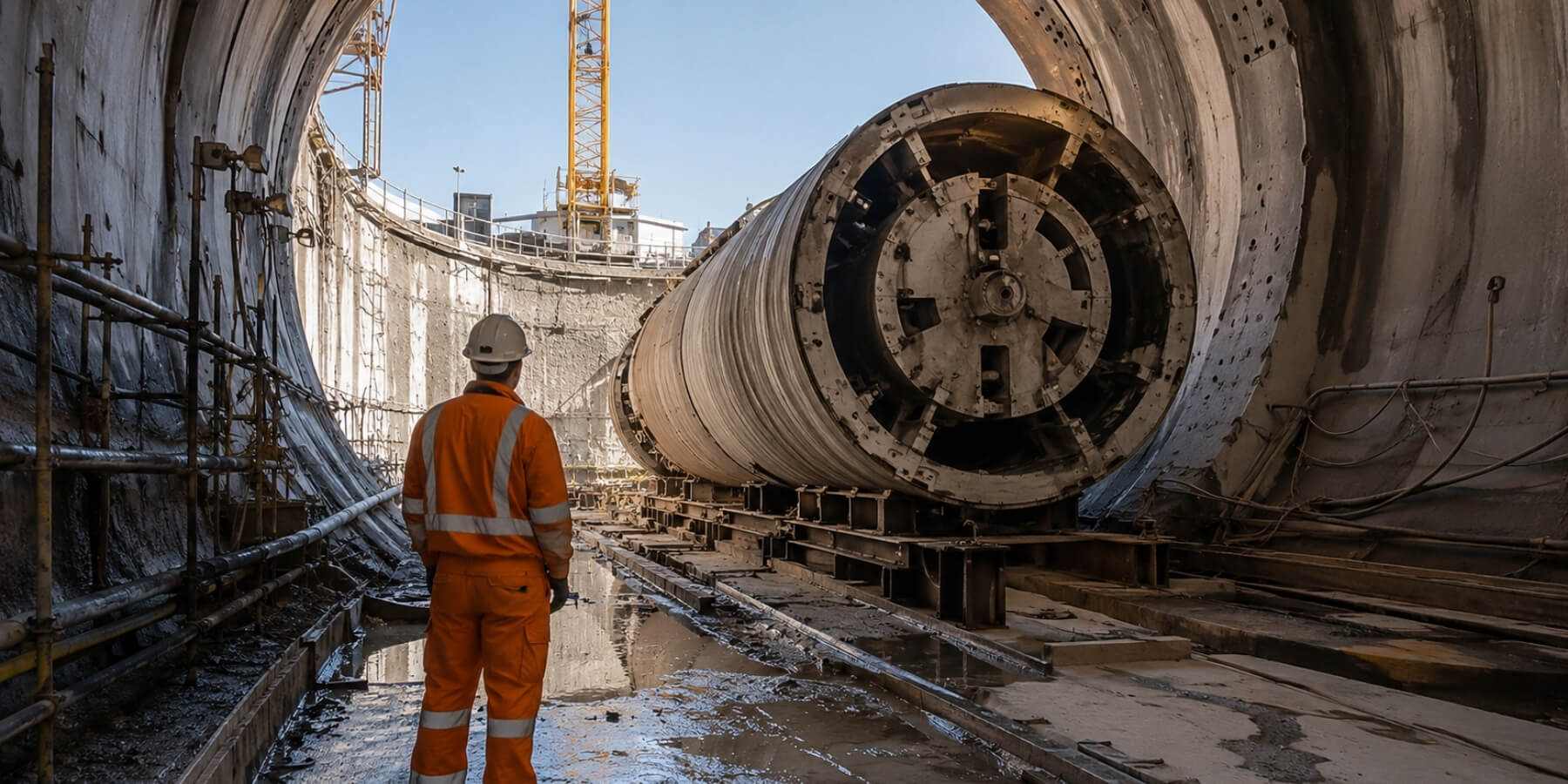
Pipe jacking pushes large-diameter pipe or box culvert through the ground from a thrust pit, often under a highway, rail line, or river. On infrastructure jobs, that can mean interceptor sewers, drainage culverts, or utility tunnels far bigger than a routine road crossing.
The scale brings tighter tolerances, more engineering, and owners who cannot afford a failure under a live road or track. That is a big reason they screen contractors so hard.
Understanding the size and stakes helps you position for these jobs. Owners hire crews who clearly grasp what the work demands, not just the lowest number on the sheet. Speaking their language on the bid signals you belong on that job.
How do you grow your bonding capacity?
Bonding is often the first ceiling a growing contractor hits. You cannot bid a job larger than your surety will bond, no matter how capable your crew is. Raising that ceiling is one of the highest-value things you can do to grow.
Build a strong relationship with a surety and keep clean, current financials. A record of finishing jobs on budget, healthy working capital, and good accounting all raise the number your surety will back. Good bookkeeping is not glamorous, but it directly shapes what you can bid.
Grow the capacity before you need it. Walking into a bigger bid with room to spare on your bond is far better than scrambling to raise it under a deadline. Your surety is a partner in this, so keep them updated as you grow.
How do you get prequalified with major owners?
Most large owners require prequalification before you can bid their work. That means submitting your financials, safety record, equipment, and past projects for review, often once a year.
Target the owners whose work you want: state DOTs, transit and water authorities, and the large program managers who run infrastructure jobs. Each keeps its own process, so start early and keep your package current. Approval can take time, so treat it as groundwork, not a last-minute task.
How do you team up to bid above your size?
You do not have to reach the biggest jobs alone. Teaming lets a capable pipe jacking company bid work that would be out of reach solo. It is one of the fastest ways to step up in size without waiting years.
Partner as a specialty subcontractor to a prime, or form a joint venture that combines bonding and experience. Primes need reliable jacking and tunneling crews, and a strong specialty partner is worth a lot to them. One good job as a sub often leads to the next invitation.
These relationships also feed future work. The same discipline applies across trenchless tunneling, so it helps to see how microtunneling contractors win bigger projects, since the buyers and bid processes overlap.
How do you get invited to the bigger bids?
Prequalification gets you eligible; visibility gets you invited. Owners and primes fill their bid lists with contractors they know, so you have to be on their radar. Being qualified but invisible means the invitations still go to someone else.
Keep a clear online presence that shows your jacked crossings, capacity, and safety record, so a prime vetting partners finds proof fast. A strong reputation in your region keeps your name in the conversation when a project comes up. Primes remember the specialty crews who made past jobs go smoothly.
When you want to reach owners and primes quickly, Google Ads can put you in front of them the moment they search for a jacking or tunneling specialist. Steady pipe jacking marketing keeps that visibility going between bids.
How do you put together a winning bid?
Once you are invited, the bid itself has to stand out. Price matters, but so does the confidence you give the owner that you will deliver. On a high-stakes crossing, that confidence often decides the award.
Lead with a qualifications package that shows relevant crossings, references, and a realistic schedule. Answer the spec completely, flag risks honestly, and price the work so you can finish it well. Owners trust a bid that reads like the contractor has done this before.
The contractor who looks organized and proven wins more than the one who only looks cheap. Our team at Trenchless Marketing Agency works only with trenchless and utility contractors, so we know how these bids are judged.
What mistakes keep pipe jacking companies stuck on small jobs?
A few gaps quietly cap a company at the size of work it has always done. Watch for these:
- Bonding capacity that never grows past small jobs.
- Skipping prequalification with the big owners.
- Waiting to be found instead of building visibility.
- No qualifications package ready when a bid appears.
- Trying to bid big work solo instead of teaming up.
Close these and you open the door to bids you could not reach before.
Frequently asked questions
What bonding capacity do I need for bigger jobs?
It depends on the job size, but you need a single-project and total bonding limit that comfortably covers the work. Grow the limit ahead of the bids you want, not after.
Can a smaller pipe jacking company really win big bids?
Yes, often by teaming with a prime or a joint venture partner at first. That builds the track record and relationships that let you bid larger work on your own later.
How long does owner prequalification take?
Anywhere from a few weeks to a couple of months, depending on the owner. Starting early means you are eligible before the project you want goes out to bid.
Does marketing really matter for bid work?
Yes. Prequalification makes you eligible, but visibility and reputation get you invited and help primes choose you as a partner.
Should I bid every big job I qualify for?
No. Bid the jobs that fit your crew, equipment, and schedule, and where you have a real edge. A focused, winnable bid beats spreading thin across every opportunity.
How do I stand out from other qualified bidders?
Show relevant crossings, a clean safety record, and a realistic plan for their specific job. Owners pick the bidder who makes them most confident the work will get done right.
Want this handled for you?
We do this for trenchless contractors every day. Book a free strategy call and we will map a plan for your market.