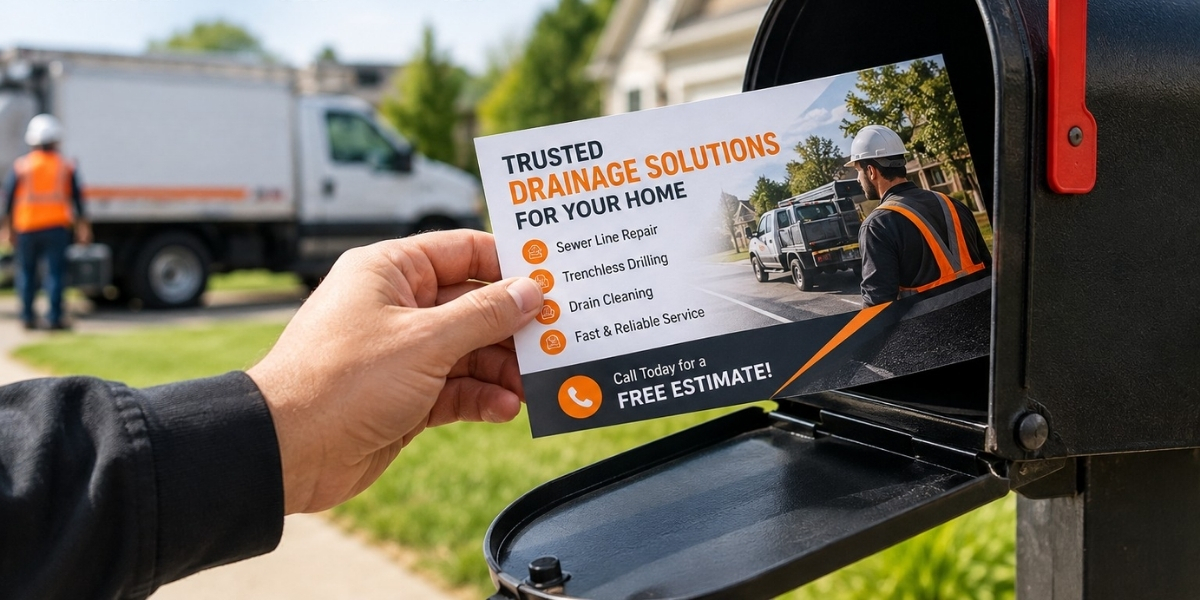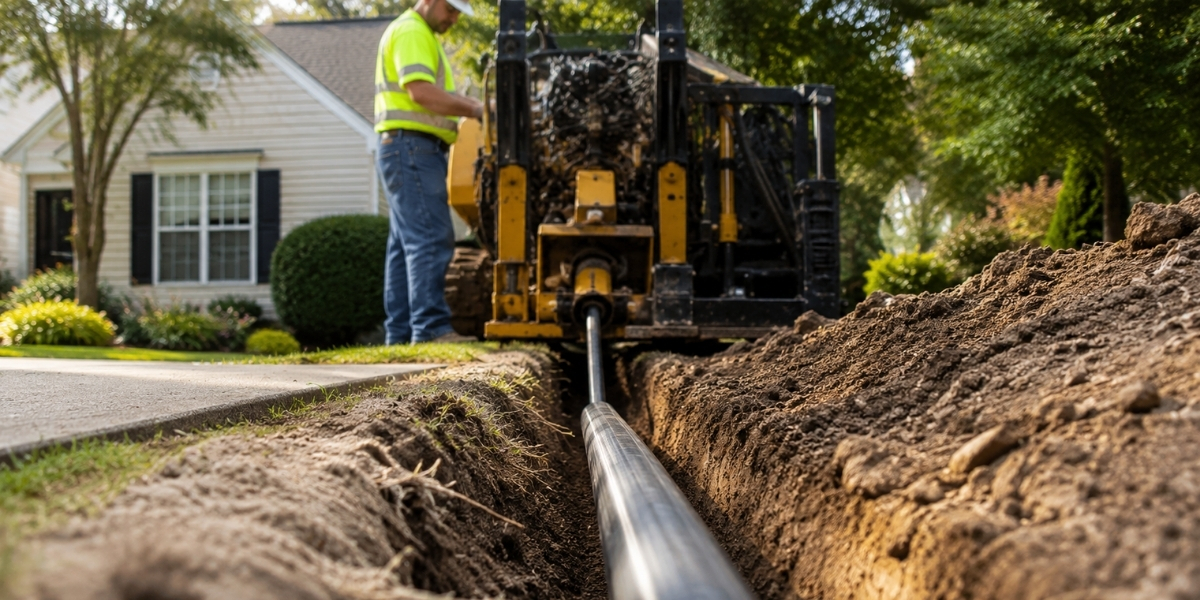
Content marketing for contractors means answering the questions your customers already ask, in writing, on your own website. Publish project stories, how-it-works guides, and plain answers about cost and process. Two useful pieces a month is enough. Done steadily, it brings in search traffic, builds trust before the first call, and gives your sales conversations a head start.
Most contractors already know enough to fill a year of content. The knowledge is in the truck and on the job site, not on the website where buyers can find it. This playbook shows how to get it out: what to write, how to pick topics, how often to publish, and how to turn one finished job into a month of material.
What is content marketing for contractors?
It is publishing useful information that helps a buyer decide, instead of only advertising at them. For a contractor, that means guides, project stories, and straight answers about how the work is done, what it costs, and why one method beats another.
The point is not to sound clever. It is to be the company that already answered the question a buyer typed into Google at eleven at night. That answer does the selling before you ever speak.
Why does content marketing work for contractors?
Because buyers research before they call. Content puts your expertise in front of them during that stage, when they are still deciding who to trust and who to leave off the list.
It also compounds. An ad stops the day you stop paying, while a good article keeps earning traffic and leads for years after you write it. Research from the Content Marketing Institute shows 84% of B2B marketers publish blogs on their websites, and case studies and customer stories rank among the most effective content types they use.
Content is also what makes trenchless SEO work. Search engines need pages to rank, and every question you answer well is another way for a buyer to find you.
What content should contractors create?
Start with what you already explain on the phone every week. These six types cover most of what buyers want to know:
- Answers to the questions customers ask you most.
- Project stories with photos and the result.
- How-it-works guides for the methods you use.
- Cost and comparison explainers.
- Checklists a buyer can actually use.
- FAQ pages that answer one question each.
How do you choose topics that bring in work?
Write down every question you were asked in the last month. That list is your content plan, and it beats any keyword tool as a starting point, because real buyers already asked it.
Favor topics tied to buying: how much something costs, how long it takes, which method suits which job, and what goes wrong when it is done badly. Those attract people who are close to hiring, not students doing research.
Then match topics to the searches buyers actually use. Our local SEO checklist for contractors covers the local search side, so your content shows up for people in your service area rather than the whole country.
How often should contractors publish?
Two solid pieces a month beats eight rushed ones. Consistency matters far more than volume, and a small library of genuinely useful pages will outperform a pile of thin posts nobody finishes reading.
Pick a schedule you can keep during your busy season, not just your slow one. If that is one piece a month, start there and build. Steady beats ambitious every time.
How do you turn one job into a month of content?
This is the part most contractors miss. One finished project can carry your marketing for weeks, and the work is already done.
Write it up as a project story, pull a few photos for social, film a short clip on site, send a note about it to past clients, and turn the questions it raised into an FAQ answer. That is five pieces from work you already did.
for your website
for social media
of the work
to past clients
from the questions
Where those pieces go matters too. Your contractor website design should make project stories easy to find, and social media marketing for contractors puts the same material in front of people who are not searching yet.
How do you write content that AI tools and search engines cite?
Answer the question directly in the first two or three sentences, before any background or setup. AI systems and search engines pull from the top of a page, so a buried answer rarely gets used or quoted.
Then use plain headings written as real questions, keep answers short enough to lift, add specific numbers and dates, and put a dated FAQ at the bottom. Being genuinely useful and easy to quote is now most of the work, and it helps human readers just as much.
How do you find time to make content?
Time is the real barrier for most contractors, not writing skill. The fix is to capture, not create.
Take photos on every job, and record a two-minute voice note explaining what made it tricky. That raw material becomes a project story later, without adding an evening of work to your week.
Block one hour every two weeks for content, and treat it like any other appointment. An hour every two weeks is enough to keep a steady publishing schedule going all year.
How do you measure content marketing?
Track the pages that bring in search traffic, the ones that lead to calls or form fills, and how often your content comes up in sales conversations. Those three numbers tell you what to write more of.
Give it months, not weeks. Content builds slowly and then holds its position. The project write-ups in our case studies are a good example of content that keeps working long after it is published.
What mistakes do contractors make with content?
A few habits waste the effort completely. Watch for these:
- Writing about your company instead of the customer's problem.
- Publishing three posts, then stopping for a year.
- Vague, generic advice that could apply to any trade anywhere.
- No photos of real work, so nothing proves you did it.
- No clear next step for the reader at the end of the page.
Fix these and ordinary content starts producing leads instead of collecting dust.
Frequently asked questions
Does content marketing work for small contractors?
Yes. A small site with ten genuinely useful pages can outrank a much larger competitor with none, especially for local searches in your service area.
How long before content marketing brings leads?
Usually a few months for search traffic to build, though content helps your sales conversations immediately, since you can send a page instead of explaining again.
Should contractors write content themselves or hire help?
The expertise has to come from you either way. Many contractors talk through a topic and have someone else write it up, which keeps it accurate and saves hours.
How long should a contractor blog post be?
Long enough to answer the question properly, usually around 1,000 to 1,500 words. Depth and clarity matter far more than hitting a word count.
Content works best as part of a plan. See how the pieces fit in our guide to digital marketing for construction companies, and compare where to share it in best social media platforms for construction.
Want this handled for you?
We do this for trenchless contractors every day. Book a free strategy call and we will map a plan for your market.